
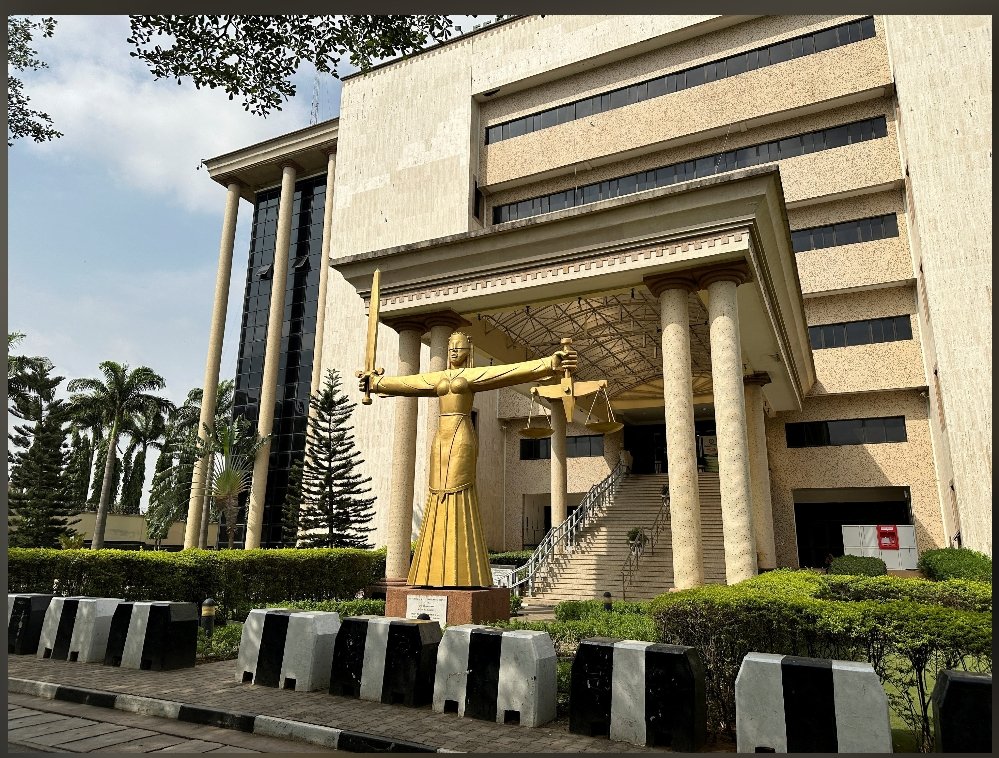
The long-standing legal battle over the administrative status of several splinter communities in Anambra State has been conclusively laid to rest by the apex court.
The Supreme Court of Nigeria has dismissed the appeal filed by various breakaway communities, thereby affirming the judgment of the Court of Appeal which upheld the validity of the Autonomous Communities (Recognition) Repeal Law 2004.
The Backstory
The dispute traces back to February 2003, when the Anambra State Government under the Governor Chinwoke Mbadinuju administration enacted the Anambra State Autonomous Community (Recognition) Law 2002. This legislation officially recognized several entities as autonomous communities, carving them out of existing towns.
The affected areas included: Isioba, Uruagu Nnewi, Isuanaoma, Ifeite Amanuke, Igbo-ezenu Aguleri, Isi-Achina, Ikenga Nri, Paste Ibughubu, Awuda Nnobi, Achalaukwu, and Akweezekenyi.
However, in March 2004, under the administration of Governor Chris Ngige, the Anambra State House of Assembly passed a Repeal Law, effectively abolishing and withdrawing the newly granted autonomous status from these communities.
The Judicial Journey
High Court (2006): Aggrieved by the roll-back, representatives of the affected communities sued the State Government. On December 11, 2006, the Awka High Court ruled in favor of the communities, setting aside the Repeal Law on the grounds that stripping their autonomy violated the residents’ fundamental right to freedom of association under Section 40 of the 1999 Constitution.
Court of Appeal (2012): The Anambra State Government appealed the ruling. On July 18, 2012, the Court of Appeal in Enugu reversed the High Court’s decision. The appellate court held that the 2004 Repeal Law merely withdrew a state-granted administrative label (“autonomous”) and did not destroy the physical existence of the communities or stop residents from associating. The 2004 Repeal Law was subsequently restored as valid and subsisting.
Supreme Court (2024): The communities took the matter to the apex court in Nze Edward Maduekwe & Ors v. Anambra State Government & Ors. Delivering its final judgment on February 16, 2024, the Supreme Court dismissed the communities’ appeal and entirely upheld the Court of Appeal’s verdict.
Current Legal Implications
By virtue of the Supreme Court’s final determination, the listed communities do not legally possess independent autonomous status.
Administratively, traditionally, and constitutionally, they remain integrated components of their original, larger parent towns and fall under the leadership of the historically recognized Town Unions and traditional rulers (Igwes) of those primary towns.
